

Spawnwatch 2026: Raising the Next Generation of Climate-Resilient Corals

Late at night, under the cover of a dark ocean sky, one of nature’s most incredible spectacles takes place off the coast of Roatan. Entire colonies of coral release millions of tiny eggs and sperm into the water column in a synchronized dance of new life.

Since 2019, the Roatan Marine Park (RMP) team has been growing coral fragments on underwater trees to restore degraded reefs. But today, faced with warming ocean temperatures, our work has taken a bold leap forward. Inside the Coral Restoration Center of Roatan (CRCR), we are tapping into sexual reproduction to breed corals built to survive a changing climate.

Powered by Night Owls & Reef Guardians
We wrapped up our 2026 Spawnwatch season—an intense, five-month monitoring effort that literally happens while the island sleeps.
This monumental feat would be impossible without our incredible network of local dive centers and dedicated volunteers. Diving at night and tracking reef conditions hour by hour, these heroes provided the extra hands, eyes and energy needed to monitor wild colonies.
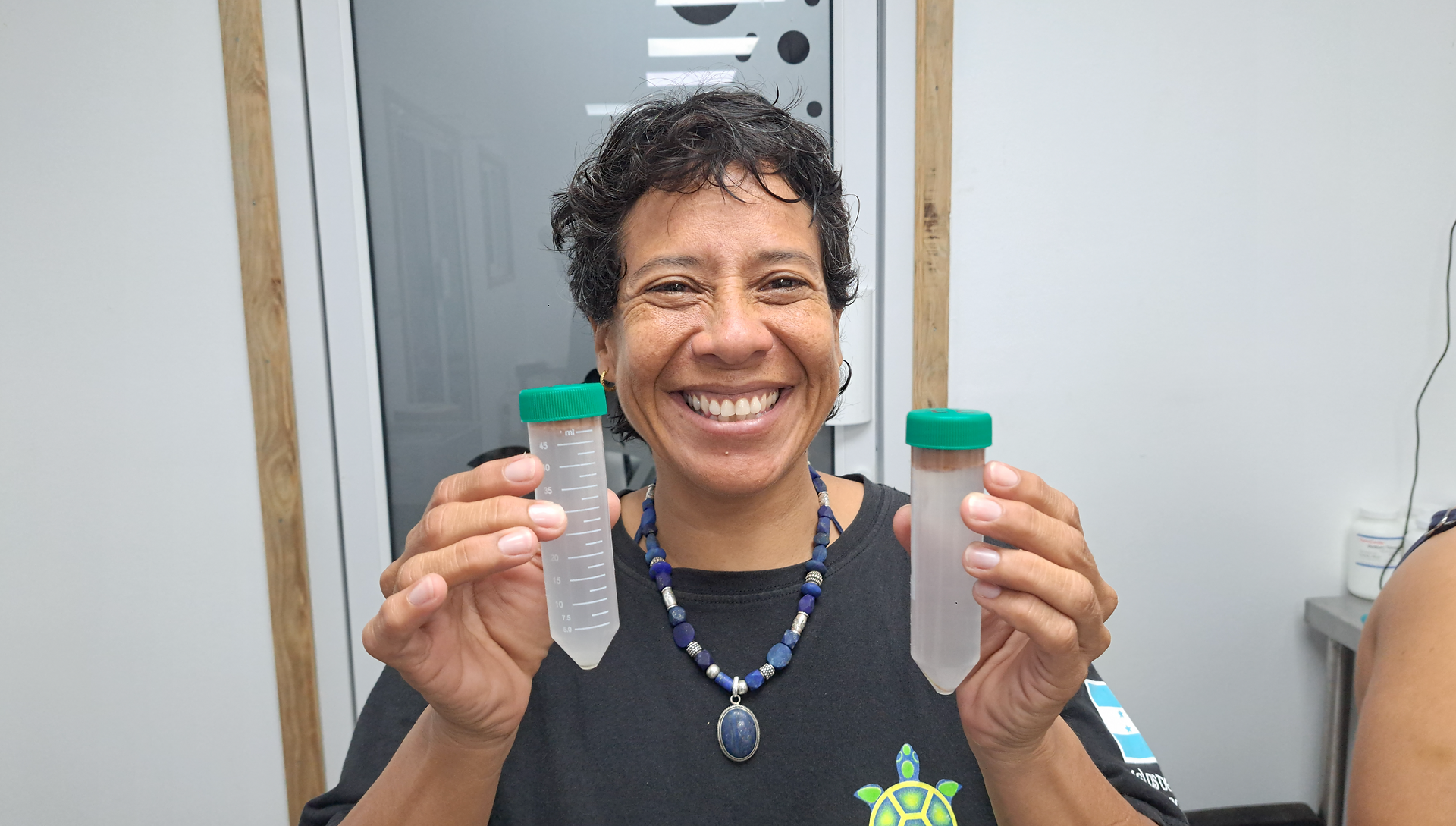
Together, our teams successfully tracked spawning events across five critical species—Grooved Brain, Elkhorn, Pillar, Lobed Star and Mountainous Star corals—and performed assisted fertilization for Grooved Brain and Lobed Star corals right inside the CRCR.


Pioneering the Science of Ocean Survival
This effort feeds directly into our global work with the CORDAP project, a groundbreaking partnership between RMP and the California Academy of Sciences. Together, we are testing two revolutionary methods to grow super-resilient baby corals:
Alkalinity Boosting: Optimizing water chemistry so tiny coral recruits can build strong, thick skeletons faster.
Nutritional Acceleration: Feeding coral larvae custom amino acid blends to boost their energy, helping them grow and attach to the reef quicker.

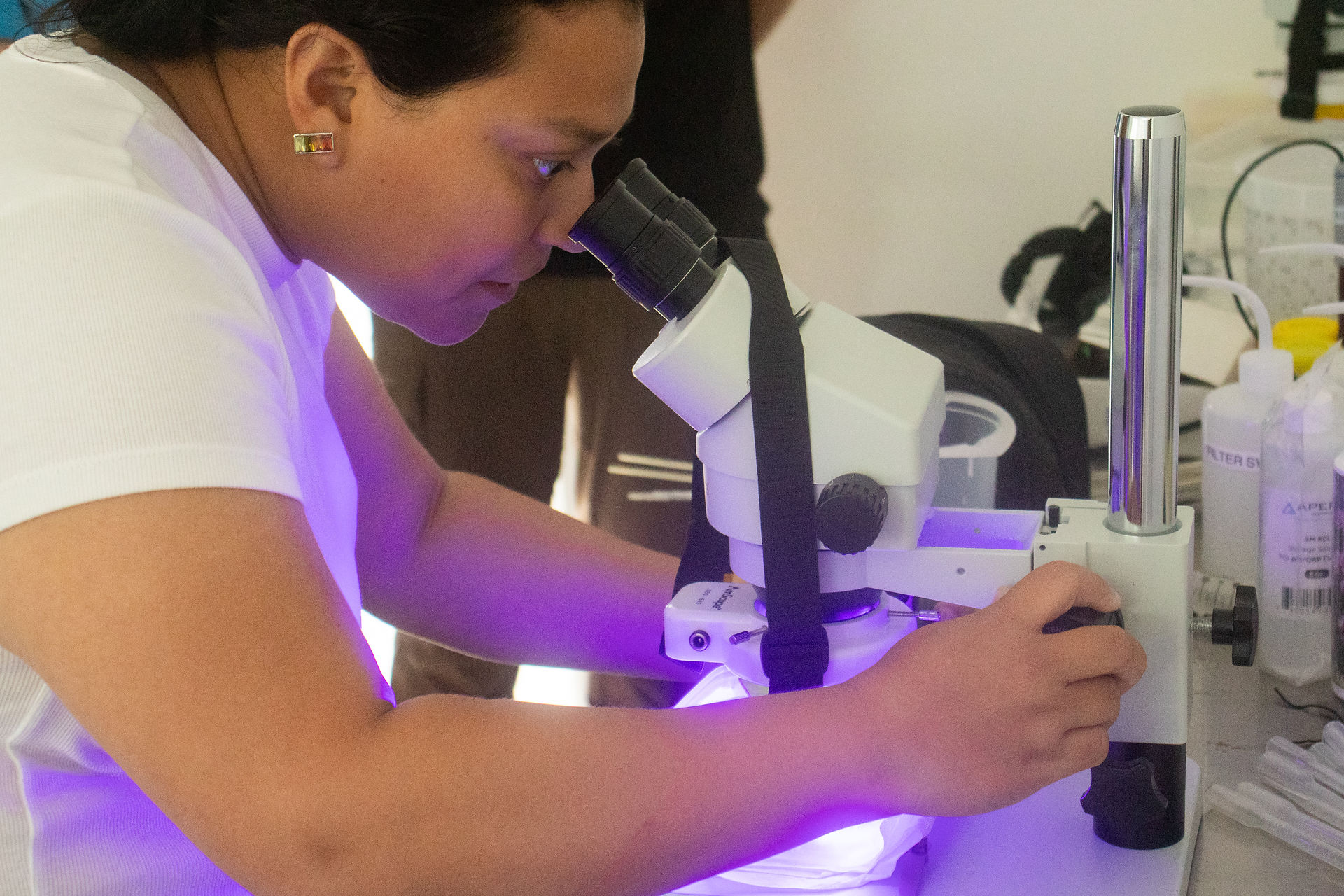
Once these resilient larvae settled onto specialized substrates in our tank raceways, they were outplanted directly onto targeted reefs.
Thanks to our passionate volunteers and pioneering science, RMP isn't just protecting the reefs Roatan has today—we are actively engineering the climate-resilient reefs of tomorrow.
Support our coral restoration efforts!


Comments